Common Mental Health Conditions
Mental health is a crucial aspect of our overall well-being. It affects how we think, feel, and act, and can impact our daily lives in significant ways. There are various mental health conditions that individuals may experience, each with its own set of symptoms and challenges. Understanding these conditions is the first step towards prevention and seeking appropriate help when needed. In this article, we will explore some of the most common mental health conditions and discuss strategies for prevention.
1. Anxiety Disorders
Anxiety disorders are among the most prevalent mental health conditions worldwide. They encompass a range of disorders such as generalized anxiety disorder (GAD), panic disorder, social anxiety disorder, and specific phobias. People with anxiety disorders often experience excessive worry, fear, and unease, which can interfere with their daily lives.
To prevent anxiety disorders, it is important to manage stress effectively. Engaging in relaxation techniques, such as deep breathing exercises and meditation, can help reduce anxiety. Additionally, maintaining a healthy lifestyle with regular exercise, a balanced diet, and sufficient sleep can contribute to overall mental well-being.
2. Depression
Depression is a mood disorder characterized by persistent feelings of sadness, loss of interest or pleasure in activities, and a lack of energy. It can affect anyone, regardless of age or background, and can have a significant impact on a person’s quality of life.
Preventing depression involves taking proactive steps to maintain mental well-being. Building a strong support system of friends and family, engaging in regular physical activity, and practicing self-care are essential. It is also important to seek professional help if symptoms of depression persist or worsen.

3. Substance Abuse Disorders
Substance abuse disorders, including drug and alcohol addiction, are mental health conditions that can have severe consequences on both physical and mental well-being. These disorders often co-occur with other mental health conditions, such as anxiety or depression.
Preventing substance abuse disorders involves creating a supportive and healthy environment. This includes promoting open communication within families, educating individuals about the risks of substance abuse, and providing access to resources for treatment and recovery. Developing healthy coping mechanisms and stress management techniques can also help prevent the use of substances as a means of escape or self-medication.
Seeking Help and Support
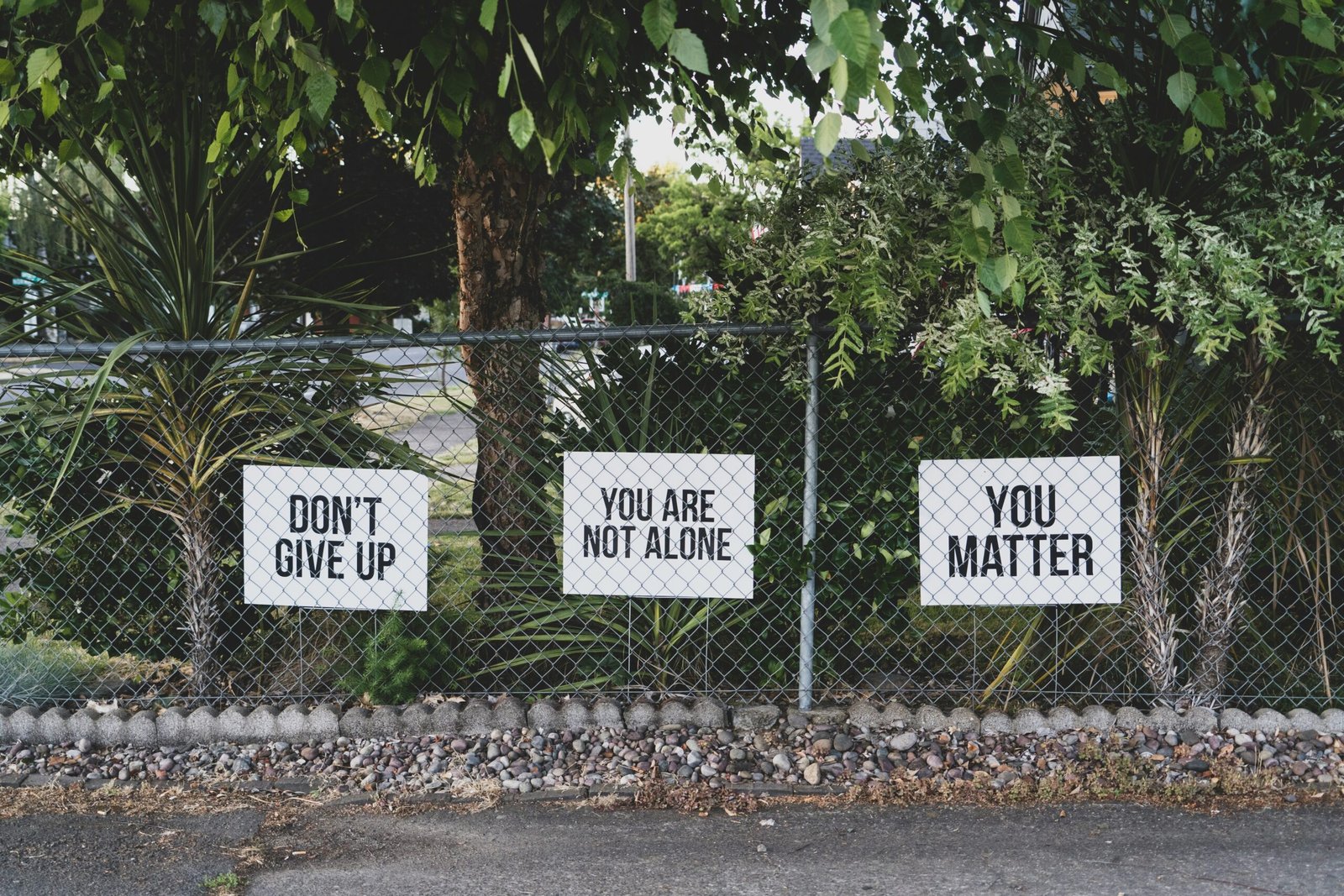
While prevention strategies can be effective, it is important to remember that mental health conditions can still occur despite our best efforts. Seeking help and support is crucial for individuals experiencing mental health challenges. There are various options available, including therapy, counseling, support groups, and medication.
If you or someone you know is struggling with a mental health condition, it is important to reach out for help. Mental health professionals are trained to provide support and guidance, and they can assist in developing an individualized treatment plan.
Remember, mental health is just as important as physical health. By understanding common mental health conditions and taking steps to prevent them, we can promote overall well-being and lead fulfilling lives. Let’s prioritize our mental health and support those around us in doing the same.